














Manufacturing CX Has a Data Problem
Modern B2B buyers expect B2C grade clarity and accuracy, but manufacturers are trying to deliver it on top of systems that were never integrated. The real work isn’t UX. It’s data plumbing.

We help automotive and industrial organizations turn AI potential into performance. From smarter operations to connected experiences, we don't just implement technology — we integrate it where it matters most to drive real value across your value chain.
Where data-driven insight meets real‑world performance to ensure nothing slows you down.
We use data and AI to spot operational gaps early and fix them before they ever impact uptime or revenue.
From plant floors to field assets — technology built around how operations run, with AI embedded where it drives the most impact.
AI and data working across every layer of operations — cutting waste, reducing delays, and keeping output where it needs to be.
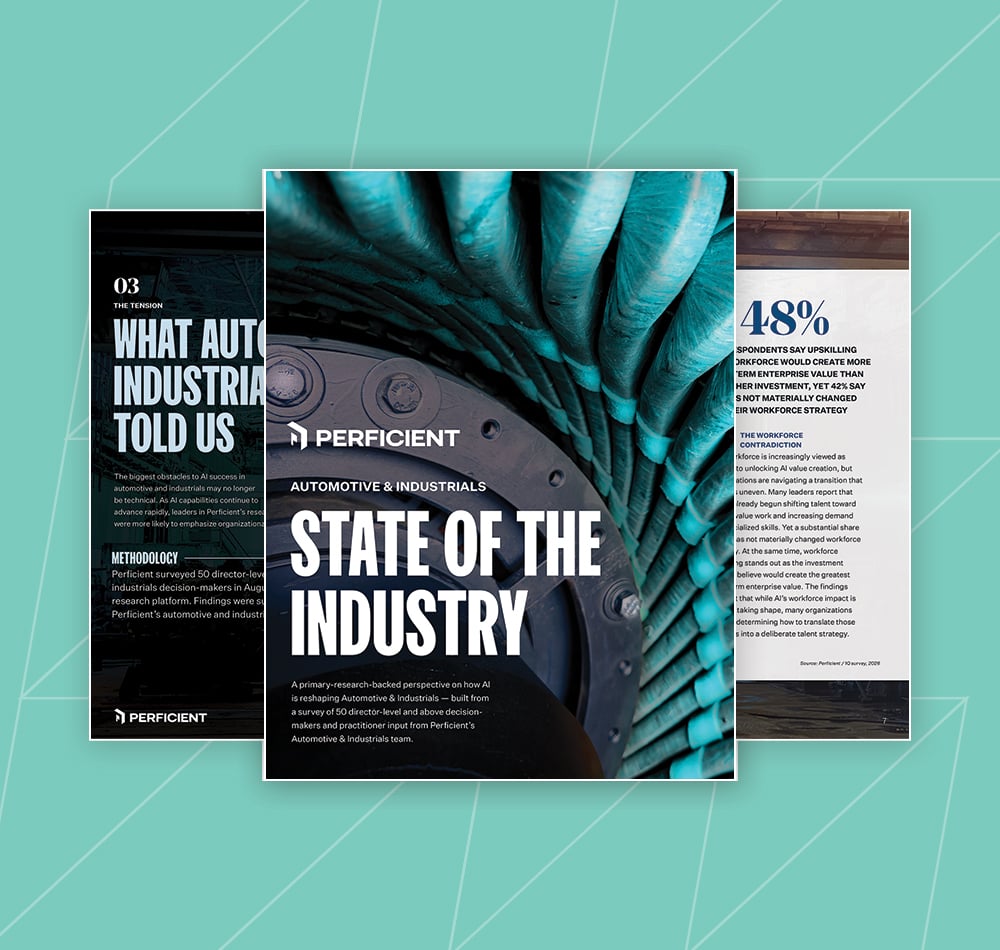
Automotive, manufacturing, and energy & utility organizations are experiencing a moment of convergence that is blurring industry boundaries and creating new competitive dynamics, forcing leaders to determine where AI fits and how it can drive meaningful outcomes. Perficient surveyed 50 industry decision-makers and drew on practitioner insights to identify what is holding organizations back and what leaders making measurable progress do differently.
Christine Frietchen, Manager, Marketing Communications
Evergy

Automotive and industrial organizations collect massive amounts of customer data. Most doesn't inform decisions. Marketing runs campaigns without knowing what converts. Sales works leads without knowing who's ready. Data lives in separate systems — CRM, analytics, dealer networks, service records.
The result: generic messaging, demographic lead scoring, last-click attribution, surface-level personalization.
We focus on signal clarity and decision speed. How long to identify high-intent prospects? How long between behavior shift and response? We reduce that time.
We unify data across marketing, sales, and dealer networks. Analytics that predict, not just report. Automation for lead routing and optimization. AI for predictive scoring where it adds value.
Performance measured against pipeline and revenue, not impressions. Personalization based on behavior, not assumptions.
This isn't about "meaningful relationships." It's reducing the gap between data and action. Reducing waste. Reducing friction between investment and return.
Better targeting requires better infrastructure.

Fleet operations generate constant data. Vehicle location, fuel consumption, maintenance alerts, driver behavior, route performance. Most organizations can't act on it fast enough. Dispatch decisions are made with outdated information. Maintenance is reactive, not predictive. Routes are based on static plans, not real-time conditions.
The result: unnecessary downtime, inefficient routing, vehicles that break when prevention was possible.
We focus on decision latency. How long between a maintenance signal and service scheduling? How long between traffic disruption and route adjustment? How long between performance insight and operational change? We reduce that time.
We connect telematics, maintenance systems, and logistics platforms so data informs decisions in real time. Predictive analytics that identify failure patterns before breakdowns occur. Route optimization that adapts to actual conditions, not planned ones.
This isn't about "visibility" or "intelligence." It's reducing the gap between signal and response. Reducing downtime. Reducing waste in fuel, time, and asset utilization.
Fleet efficiency requires systems that act on data, not just collect it.

Dealer operations run on disconnected systems. Sales uses one platform, service another, inventory somewhere else. Customer data fragments across all of them. Service advisors can't see purchase history. Sales doesn't know a customer just left a negative service review.
The result: customers repeat information, staff can't access what they need, transactions take longer.
We focus on operational friction. How long to pull complete customer history? How long between service appointment and record update? How long between identifying an upsell and acting? We reduce that time.
We integrate CRM, DMS, and service platforms so data flows between systems. Automate scheduling, follow-ups, routine processes. Staff gets information without hunting for it.
This isn't about "seamless experiences." It's reducing the gap between data availability and staff access. Reducing friction that slows transactions and frustrates customers.
Better operations require connected systems, not additional ones.

Most automotive relationships end at the handshake. Customers buy a vehicle, drive off the lot, and disappear until something breaks. Service scheduling requires phone calls. Payment management means logging into separate portals. Subscription services are confusing. Support requires navigating multiple channels to find the right person.
The result: customers disengage, service visits decline, loyalty erodes before the next purchase cycle.
We focus on post-sale friction. How long does it take to schedule service? How many clicks to make a payment? How many calls to resolve a simple issue? We reduce that effort.
We build tools that span the ownership lifecycle — vehicle management, service booking, payment handling, support access — all connected to the same customer record. Subscription and finance capabilities integrated, not bolted on.
This isn't about "strengthening loyalty." It's reducing the effort required to own and maintain the vehicle. Reducing reasons to leave. Reducing friction that makes customers forget who sold them the car.
Retention requires making ownership easier, not just selling better.

Automotive commerce is stuck between dealer tradition and consumer expectation. Customers research online but must visit to get real pricing. Inventory visibility is inaccurate. Parts ordering requires calling the service department. B2B buyers navigate clunky portals built for desktop. Self-service exists in name only — most transactions still require human intervention.
The result: abandoned carts, frustrated buyers, lost sales to competitors with easier processes.
We focus on transaction friction. How many steps to reserve a vehicle? How long to confirm part availability? How many clicks between product selection and checkout? We reduce that number.
We build commerce platforms that work for B2B and B2C — digital showrooms with real-time inventory, self-service reservation that actually works, parts ordering without phone calls, shipment tracking without email inquiries.
This isn't about "seamless buying experiences." It's reducing the gap between product interest and purchase completion. Reducing reasons to abandon. Reducing friction that sends buyers elsewhere.
Commerce requires making buying easier, not just selling harder.

Automotive product development moves too slowly. Testing cycles take months. Software updates require hardware recalls. ADAS systems are developed in silos from infotainment, powertrain from connectivity. Data from road tests doesn't feed back into design fast enough. Validation happens late, when changes are expensive.
The result: delayed launches, features that don't work together, products obsolete before they ship.
We focus on development velocity. How long from concept to validated prototype? How long between identifying a failure mode and design iteration? How long between software build and vehicle integration? We reduce that time.
We engineer technology platforms and solutions that support concurrent development — embedded systems, ADAS, autonomous tech, connectivity —with shared data and faster feedback loops. Multicloud infrastructure that scales testing and simulation without hardware constraints. Integration happens continuously, not at the end.
This isn't about "next-generation technologies." It's reducing the gap between innovation and validation. Reducing time from design to market. Reducing the cost of late-stage changes.
Faster development requires architecture that supports iteration, not prevents it.
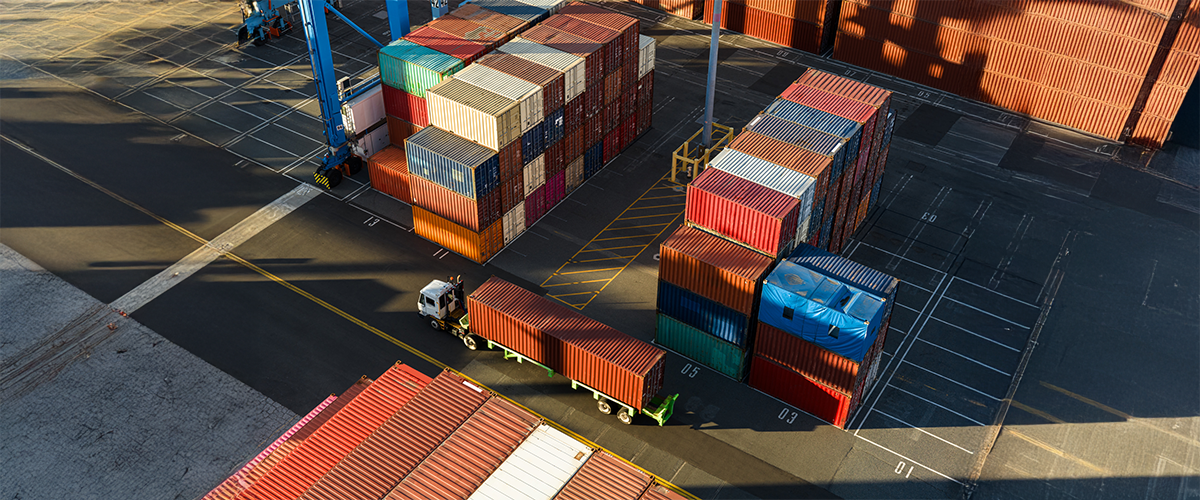
Supply chains break when visibility arrives too late. Demand shifts but forecasts don't update. Suppliers face delays but procurement doesn't know until shipments miss. Inventory sits in the wrong locations while production waits. Data exists across ERPs, transportation systems, and supplier portals — but doesn't connect fast enough.
The result: expedited shipping, production delays, misallocated inventory.
We focus on signal-to-action speed. How long between demand shift and forecast adjustment? How long between supplier disruption and alternative sourcing? How long between identifying a bottleneck and resolving it? We reduce that time.
We connect supply chain data across planning, procurement, logistics, and production so disruptions are visible before they cascade. AI-powered forecasting that adjusts to real demand patterns and detects anomalies early. Predictive models that flag supplier risk before delays hit. Scenario planning that models alternatives before crises arrive.
This isn't about "resilience" or "visibility." It's reducing the gap between disruption and response. Reducing costs from late action. Reducing risk from operating blind.
Supply chain control requires real-time information, not delayed reports.
Industrial organizations generate massive operational data. Sensor readings, production metrics, quality measurements, supply chain events, commercial performance. Most sits in separate systems. Manufacturing doesn't connect to sales forecasts. Maintenance logs don't inform production planning. Quality issues are detected after batches complete, not during.
The result: decisions with incomplete information, problems detected late, opportunities missed.
We focus on insight latency. How long between data collection and actionable intelligence? How long between pattern identification and decision? We reduce that time.
We build connected data platforms that unify operational, commercial, and quality data. Machine learning that detects anomalies during production. Predictive models that forecast equipment failure before downtime. AI that identifies optimization opportunities in real time — energy consumption, throughput, yield.
This isn't about "turning information into insight." It's reducing the gap between measurement and action. Reducing waste from delayed decisions. Reducing risk from assumptions instead of evidence.
Better decisions require data that moves at the speed of operations.

Manufacturing operations run on delayed information. Equipment degrades but maintenance happens on time intervals, not actual condition. Quality issues emerge but root causes are investigated after production completes. Process changes are tested in production because simulations don't reflect reality. Downtime happens because failure patterns weren't visible until after failure.
The result: unplanned stops, preventable defects, compounding efficiency losses.
We focus on response time. How long between equipment degradation and intervention? How long between quality deviation and correction? How long between process change and validated outcome? We reduce that time.
We build digital twins that mirror actual production so changes are tested virtually. Analytics that identify failure patterns before breakdowns. Collaborative robotics that adapt to real conditions, not programmed sequences. Predictive maintenance based on behavior, not calendars.
This isn't about "intelligent factories." It's reducing the gap between signal and response. Reducing unplanned downtime. Reducing defects from late detection.
Manufacturing resilience requires systems that predict and adapt, not just monitor and react.

Asset-intensive organizations generate more operational signals than ever before. Sensor data, machine telemetry, inspection reports, quality records, maintenance histories, technician notes. Yet most maintenance teams still operate reactively because critical information lives across disconnected systems, processes, and people.
The challenge isn't a lack of data. It's the gap between detecting a problem and taking action.
We focus on helping organizations to close that gap. We build AI-driven maintenance solutions that connect operational data, maintenance workflows, and institutional knowledge to identify risks earlier, prioritize actions faster, and help teams prevent costly disruptions.
Our approach transforms raw signals into actionable intelligence. AI can detect emerging equipment issues, enrich maintenance recommendations with asset history and service procedures, automate work-order creation, and capture expert knowledge that might otherwise leave with a retiring workforce.
Industry-wide, this means reducing unplanned downtime, improving asset reliability, increasing workforce efficiency, and extending equipment life.
This isn't just about predicting failure. It's about turning insight into action before operations are impacted.
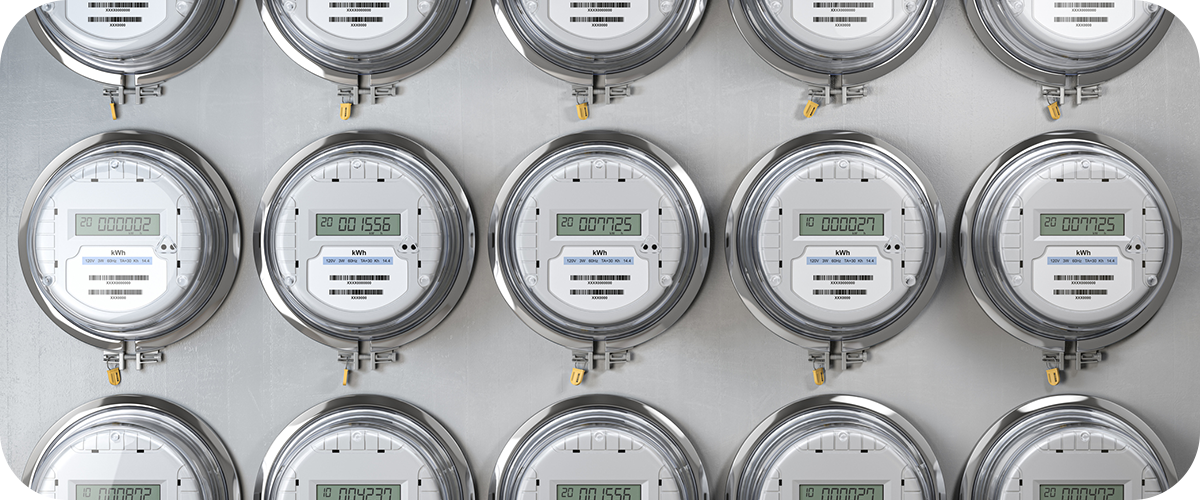
Most utilities have already invested in AMI. Millions of smart meters collect data every day. Yet for many organizations, that data remains underutilized—trapped in siloed systems, disconnected from operations, and unable to deliver its full business value.
The challenge is no longer meter deployment. It's turning metering data into operational intelligence.
We help utilities transform AMI from a data collection platform into a foundation for predictive, connected, and customer-centric operations, building solutions that unify AMI data across metering, outage management, grid operations, customer service, and digital experience platforms, creating a shared view of the network and the customer.
By combining AMI with AI, advanced analytics, and automation, utilities can identify usage anomalies, anticipate outages, improve load visibility, reduce unnecessary truck rolls, and proactively engage customers before issues become service events. AMI data can also support grid modernization initiatives, distributed energy resource management, demand response programs, and AMI 2.0 investments.
Turn AMI into a driver of measurable reliability, efficiency, and customer experience outcomes.
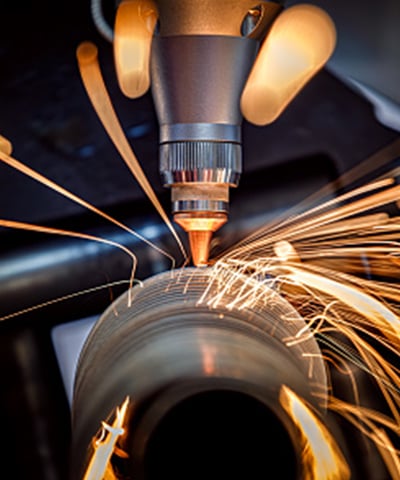




Bring AI into vehicle development and manufacturing to cut cycle times, reduce downtime, and keep production running at full speed.
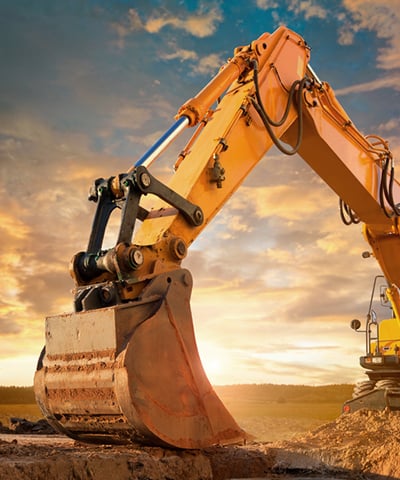
Connect equipment, workflows, and facility operations with AI — maximizing uptime, optimizing output, and driving performance across every stage of production.
Connect grid, asset, and service operations with AI — boosting reliability, streamlining distribution, and driving performance across the full energy value chain.
Put AI at the core of mission-critical operations, connecting systems, ensuring compliance, and delivering the reliability high-stakes environments demand.

We apply AI to help automotive teams move from concept to road-ready, faster. From software-defined vehicles and EVs to ADAS technology and connected experiences, our AI solutions enable smarter engineering decisions, faster iteration, and personalization at scale.
Technology investments only matter if they deliver. We partner with hyperscalers and enterprise software leaders to build AI-native solutions that actually work — solving real business problems and delivering outcomes. That's Different. For Real.
Modern B2B buyers expect B2C grade clarity and accuracy, but manufacturers are trying to deliver it on top of systems that were never integrated. The real work isn’t UX. It’s data plumbing.
The software-defined vehicle race isn't about who builds the most advanced platform. It's about who earns permission to put it in the driveway.
FinOps is maturing from asking "What did we spend?" to "What did we earn?" The organizations making that shift are redefining margin management.

Senior Vice President, Automotive & Industrials
Mike has more than 25 years of consulting and technology leadership experience. He has led large‑scale transformation and modernization initiatives across the Auto and Industrials sector, helping organizations achieve measurable business impact.