





Inside the AI-Driven Medical Device Lifecycle
The FDA is moving at Silicon Valley speed while consumer trust in AI health devices hits multi-year lows. MedTech's response can't be faster launches. It has to be better architecture.

Medical device software succeeds or fails on regulatory rigor, not development speed alone. We deliver AI-enhanced solutions that accelerate development, reduce risk, and help teams bring compliant products to market with confidence.
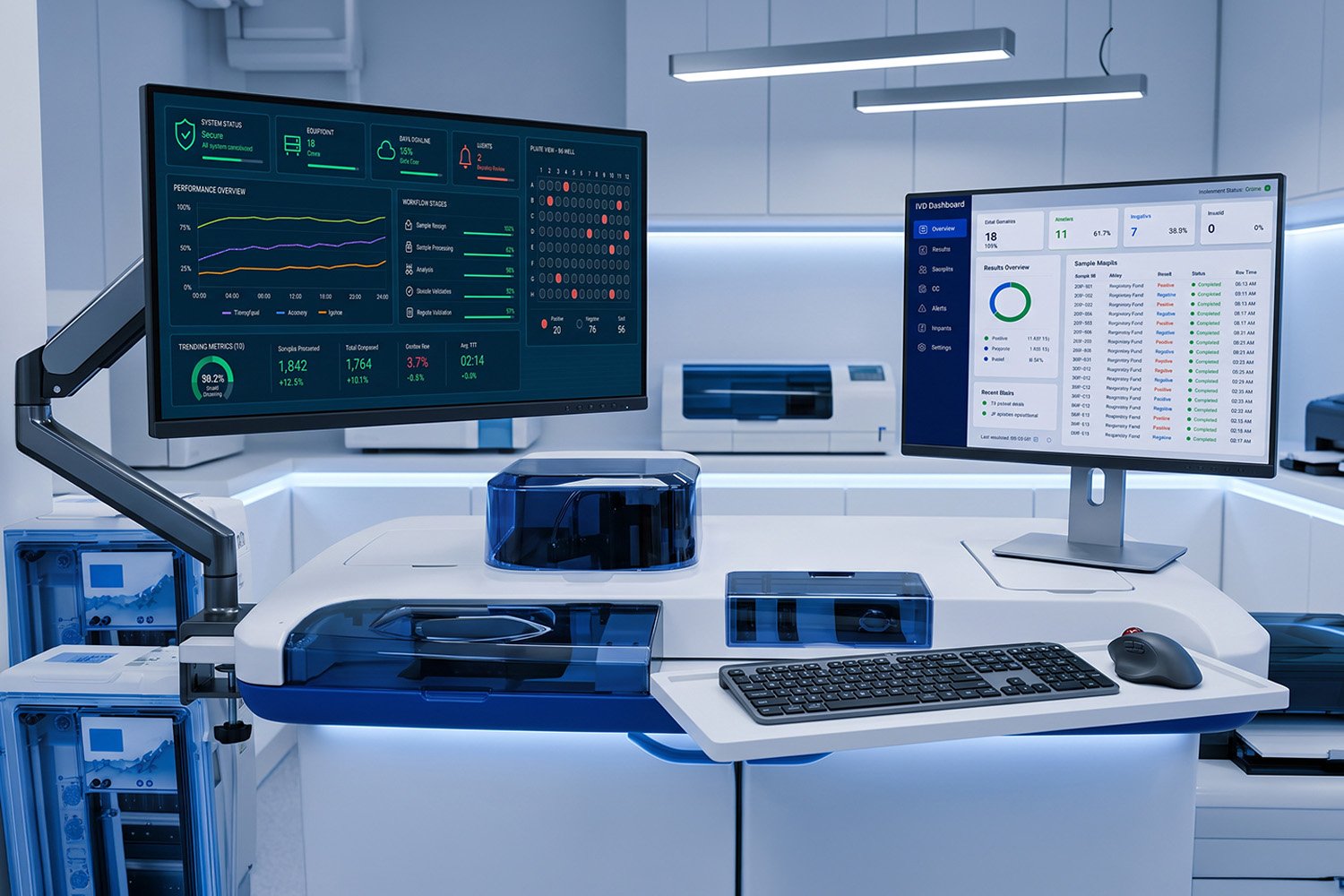
AI-enabled medical devices face a more complex regulatory landscape as FDA and EU requirements evolve across MDR, cybersecurity, SDLC standards, and AI-specific change control. Staying compliant now requires identifying risk early, scaling quality efficiently, and establishing AI-ready data governance frameworks that support adaptive algorithms and align with guidance such as the FDA’s 2025 Predetermined Change Control Plan.
Hidden risk slows development. Applying AI to hazard analysis and DFMEA helps teams identify issues sooner, strengthen mitigation strategies, and keep complex device development programs on track from concept to commercialization.
Our in-house expertise and strategic AI partnerships enable us to define and deliver AI-powered strategies and platforms for your medical software needs — from SaMD architectures to AI-assisted diagnostics.
Compliance gaps create bottlenecks. AI-enabled documentation, DHF remediation, and traceability monitoring help improve audit readiness, strengthen quality processes, and streamline the path to regulatory approval.
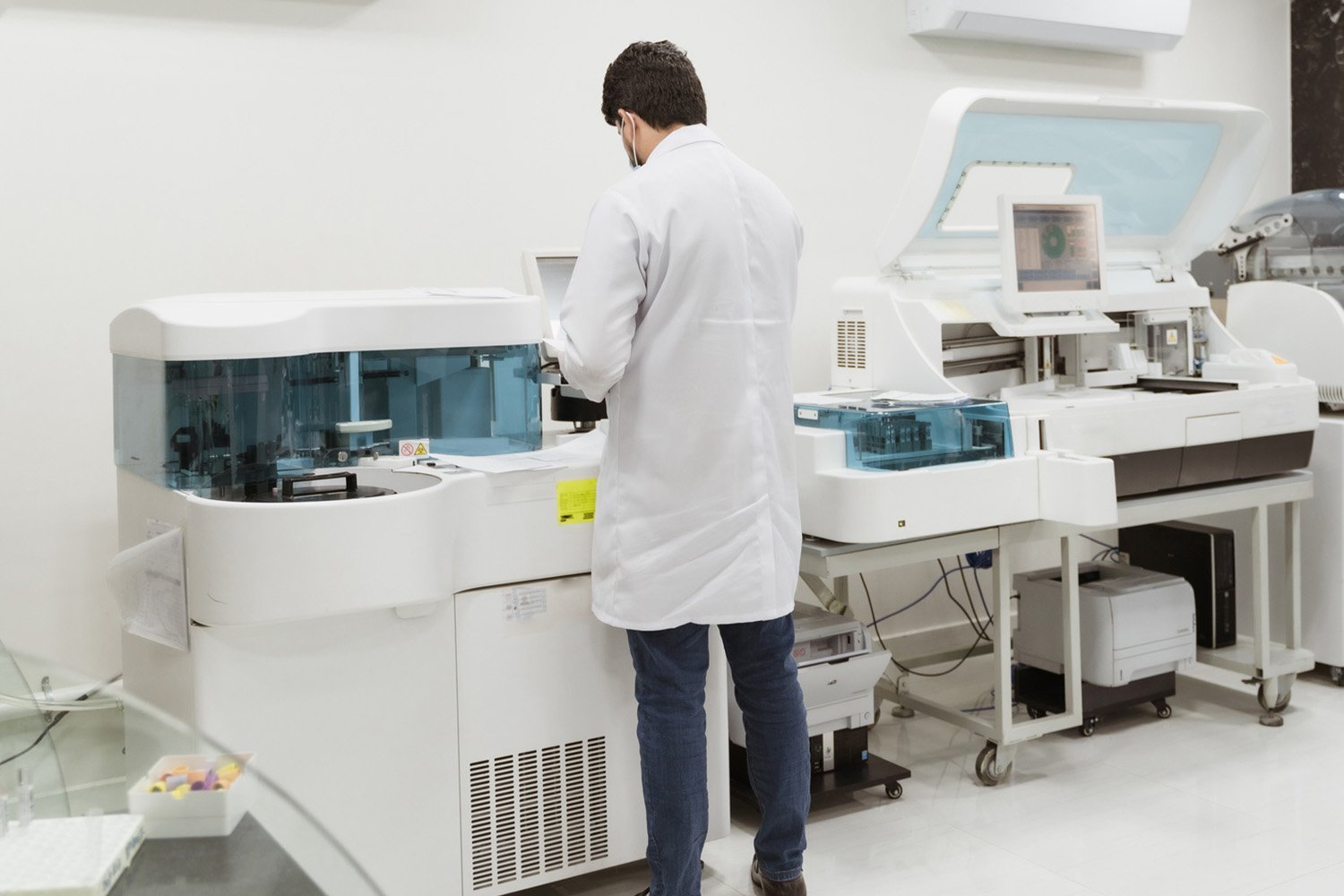
Medical device software doesn't operate in isolation. Our wet and dry lab enables teams to validate software alongside instruments, assays, and samples. Supported by global delivery teams, it helps uncover integration challenges earlier while maintaining quality and regulatory compliance throughout development.
End-to-end medical device software stack capabilities: from operator-facing UI design to precision instrument control, we engineer software for complex diagnostic devices, integrating sensors, robotics, and real-time systems to ensure accuracy, reliability, and scalability.
We build the control, analysis, and reporting software behind diagnostic instrument platforms. From assay logic and data pipelines to advanced algorithms, we help power molecular and genomic testing — transforming raw data into accurate, validated diagnostic results.
Fix fragmented lab operations by connecting systems, data, and workflows — reducing handoffs and enabling faster, more predictable throughput across the lab. We connect instruments, systems, and data into a unified lab environment. Our engineers build bi-directional interfaces to laboratory information systems (LIS/LIMS), along with IoT and mobile connectivity solutions that keep instrument, cloud, and enterprise systems in sync.
A dedicated Data Analytics team helps us develop sophisticated methods for analyzing your data. We build the software that transforms raw instrument output into actionable results for clinicians and laboratory teams — from data acquisition and analysis to bioinformatics pipelines, patient reporting, and clinical decision-support applications.
Embed compliance, risk management, and cybersecurity into development. Before a line of code ships, we identify what can go wrong. Our engineers apply systems engineering and risk analysis to anticipate failure modes early — helping teams address issues proactively rather than reactively.
Ensure products meet FDA, ISO, and global regulatory requirements. A result is only defensible if the verification evidence, design history, and quality systems behind it can withstand regulatory scrutiny. We build the quality processes, verification evidence, and regulatory submissions that demonstrate your software is safe, compliant, and ready for review — aligned with FDA, ISO, and IEC requirements at every stage.
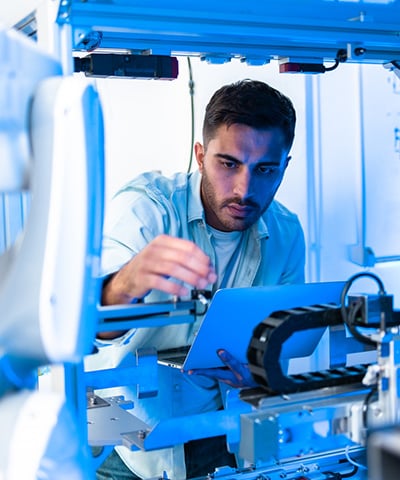
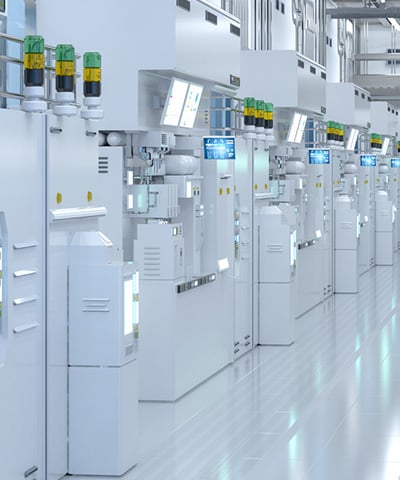
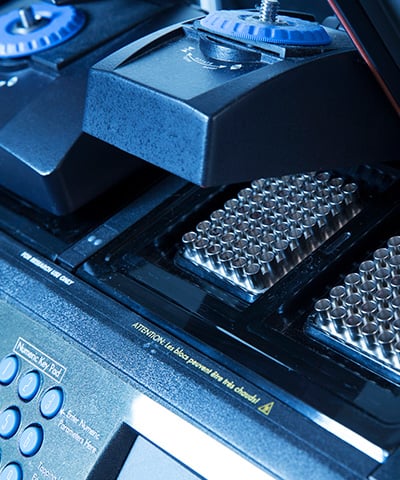

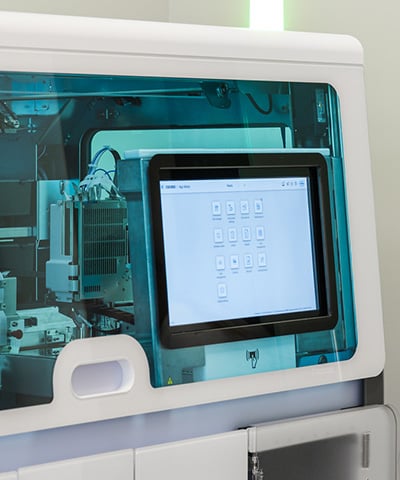
Engineer the software that runs the instrument itself with precision control of sensors and robotics, operator interfaces, onboard calibration, and built-in cybersecurity.
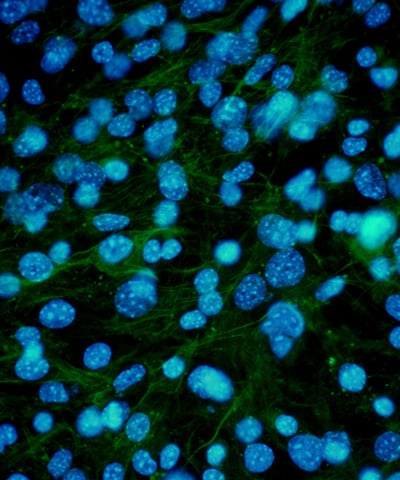
Build the software behind every diagnostic modality, from molecular and immunoassay analyzers to digital pathology and companion diagnostics decision support.
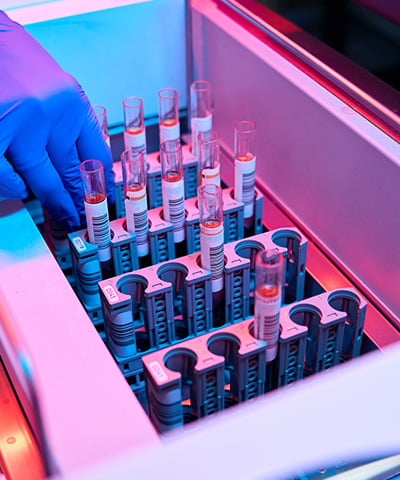
Fix fragmented lab operations by connecting systems, data, and workflows. Reduce handoffs and enable faster, more predictable throughput across the lab.
Turn raw instrument output into results clinicians can act on. Rigorous data analysis powers bioinformatics pipelines, patient reporting, and clinical decision support.
Anticipate failure modes before development. Hazard analysis, requirements engineering, safety controls, and cybersecurity hardening built in from the start.
Prove your software is safe, compliant, and ready for review. Quality processes, verification evidence, DHF remediation, and regulatory submission support — audited at every step.

Our engineers don’t need to ramp up on your clinical environment. We’ve worked in it. We understand the stakes of IEC 62304, ISO 13485, and 510(k) requirements, and we deliver with the compliance credibility and process maturity needed to get it right the first time.
Technology investments only matter if they deliver. We partner with hyperscalers and enterprise software leaders to build AI-native solutions that actually work — solving real business problems and delivering outcomes. That's Different. For Real.
The FDA is moving at Silicon Valley speed while consumer trust in AI health devices hits multi-year lows. MedTech's response can't be faster launches. It has to be better architecture.

AI is no longer a futuristic add‑on in MedTech. It is a practical accelerator across documentation, testing, and development, and the companies that operationalize it first will shape the next wave of regulatory‑safe innovation.

For the last decade, “AI” on mobile effectively meant one thing: sending data to the cloud and waiting for an answer. Users are tired of waiting.

Senior Vice President, Healthcare and Life Science
Hari brings more than 20 years of IT leadership experience building high-performing teams and driving results across sales, delivery, and technical consulting. He has a proven track record of scaling technology organizations and turning complex challenges into measurable outcomes.